Caring for our lakes - down to a science.
North Water Ecology provides applied freshwater ecology and aquatic invasive species consulting focused on practical management solutions for lakes and aquatic resources. Our services integrate field investigation, management planning, mapping, and technical support to help clients make evidence-based management decisions.
Core Service Areas
Delineation Surveys
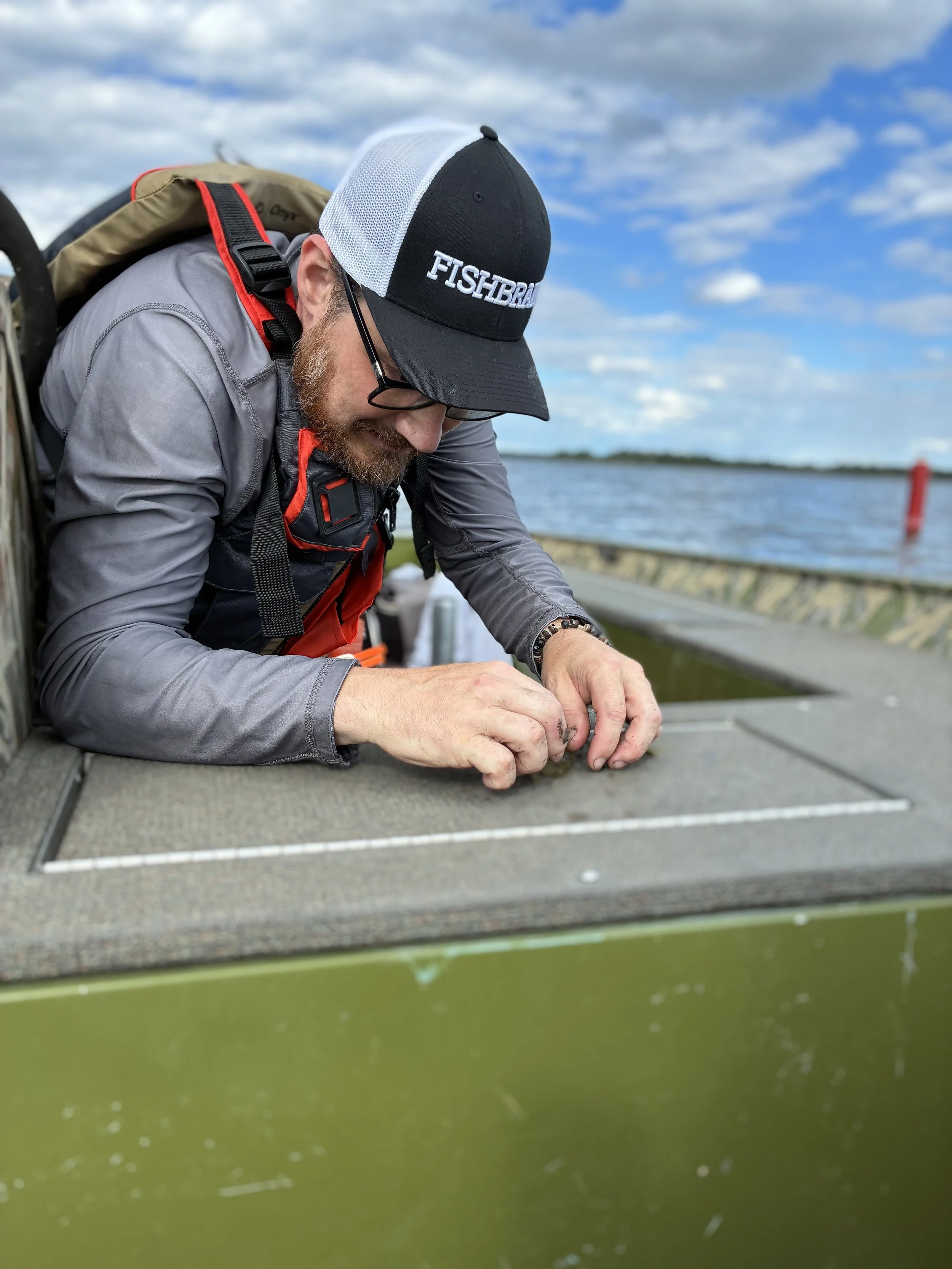
Delineations gather information on the geographic location, boundaries, environmental conditions, and the relative abundance of invasive aquatic plants and the native aquatic plant species that co-occur with them. They can be used to identify areas of vegetation targeted for management. The output from a delineation survey is a map showing the delineated plant stands and a table of associated information. Read more from MN DNR.
Point-Intercept Surveys
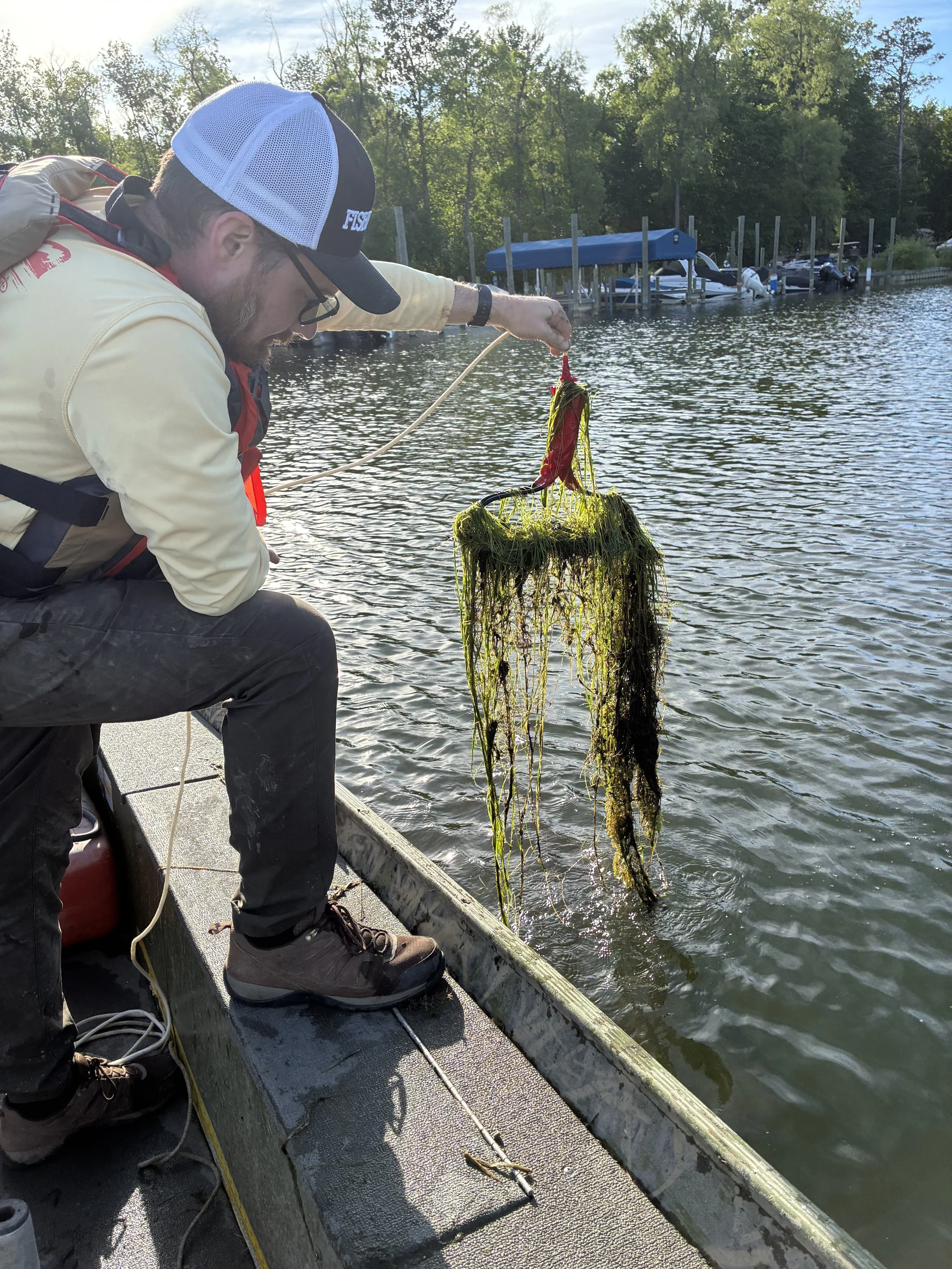
A point intercept survey is a more systematic protocol for measuring vegetation cover, species diversity, and habitat conditions over time. Samples are taken at pre-determined points in a grid formation in order to sample the littoral area evenly and provide more accurate data. Point intercept surveys provide a scientific baseline for vegetation management plans.
North Water Ecology provides consulting services in areas including:
Aquatic invasive plant delineation and vegetation surveys
Snorkel surveys for invasive species
AIS monitoring, management planning, and response support
Integrated pest management plans
Feasibility studies
Watercraft inspection planning and implementation
Long-term lake and invasive species management planning
GIS mapping and management-support data products
Grant development and technical project support
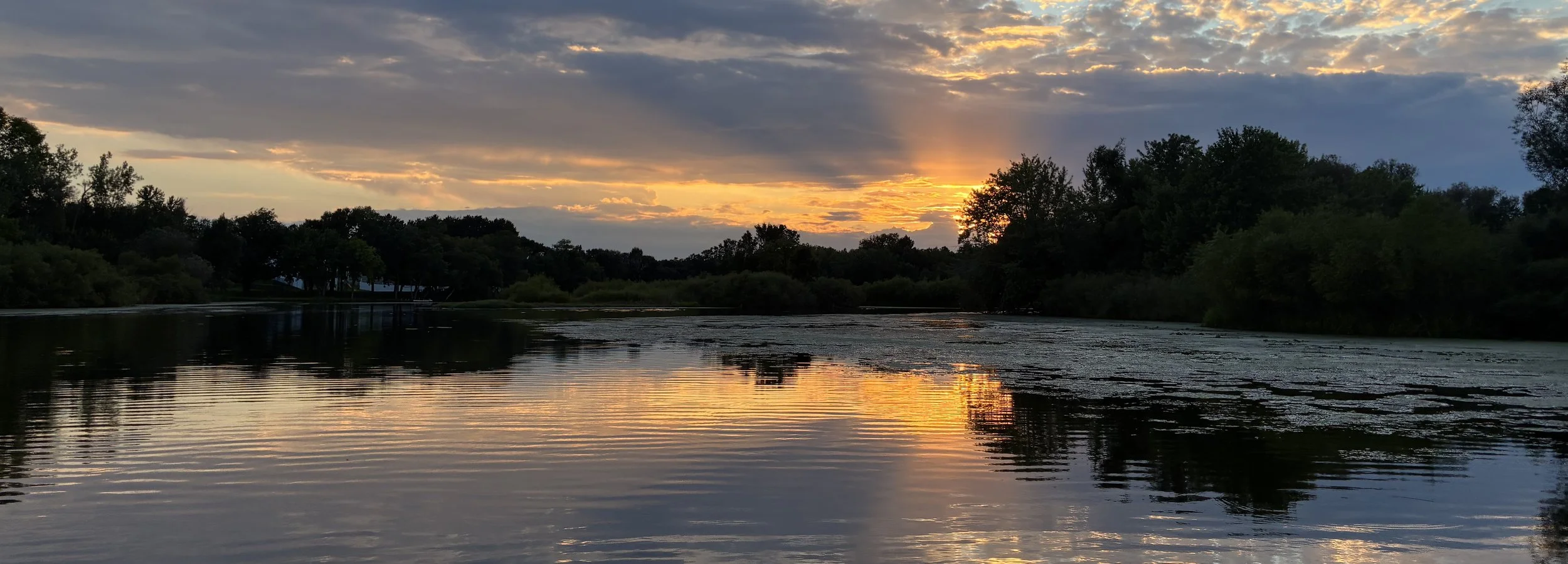
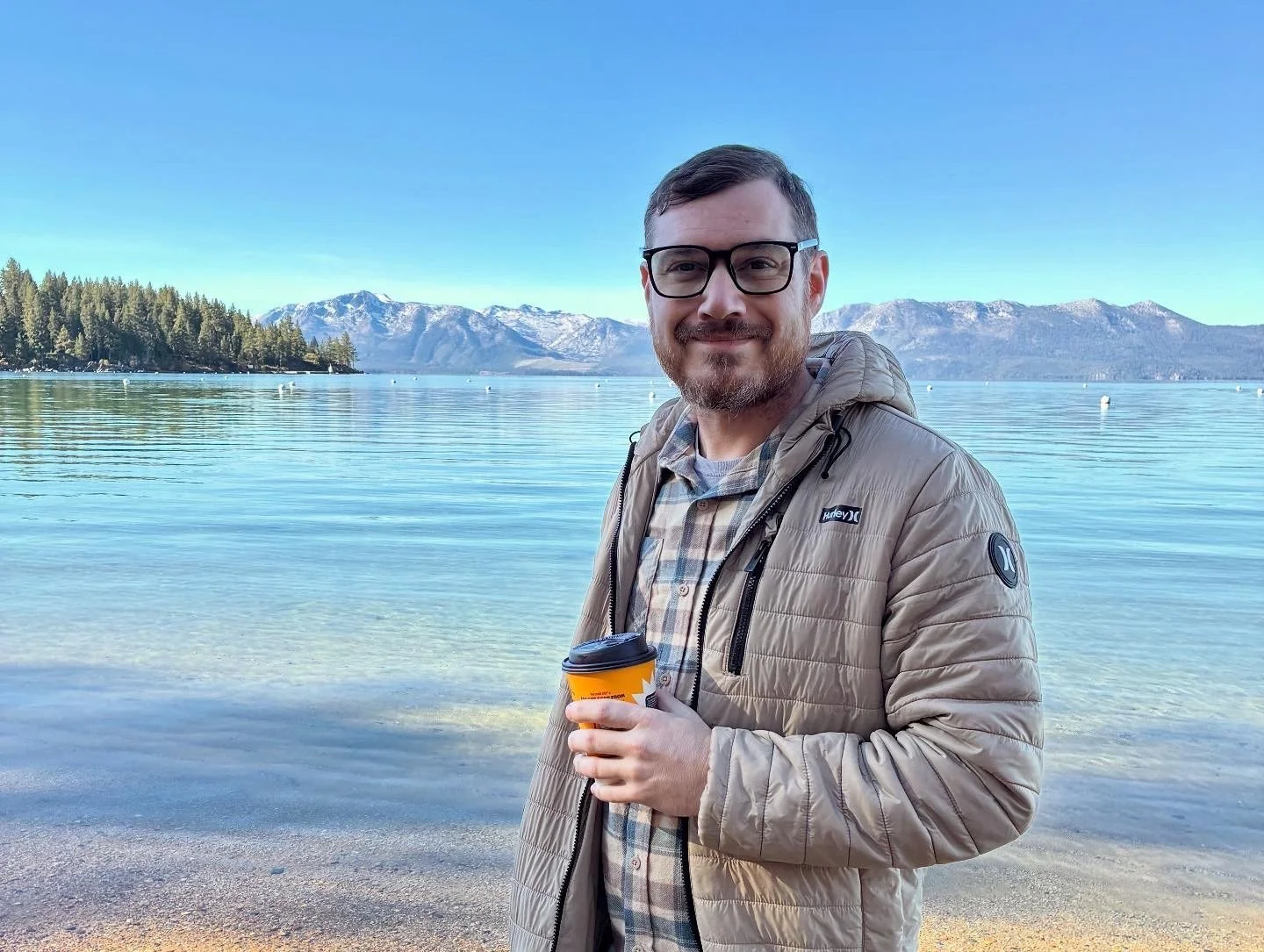
The North Water Ecologist
Andrew Dickhart is a freshwater ecologist and aquatic invasive species professional with over 10 years of experience leading and implementing aquatic invasive species prevention, monitoring, and management programs in Minnesota. Through his role as an AIS County Coordinator, Andrew has developed and managed programs spanning prevention, early detection and rapid response, aquatic invasive plant management, watercraft inspection operations, and long-term management planning.
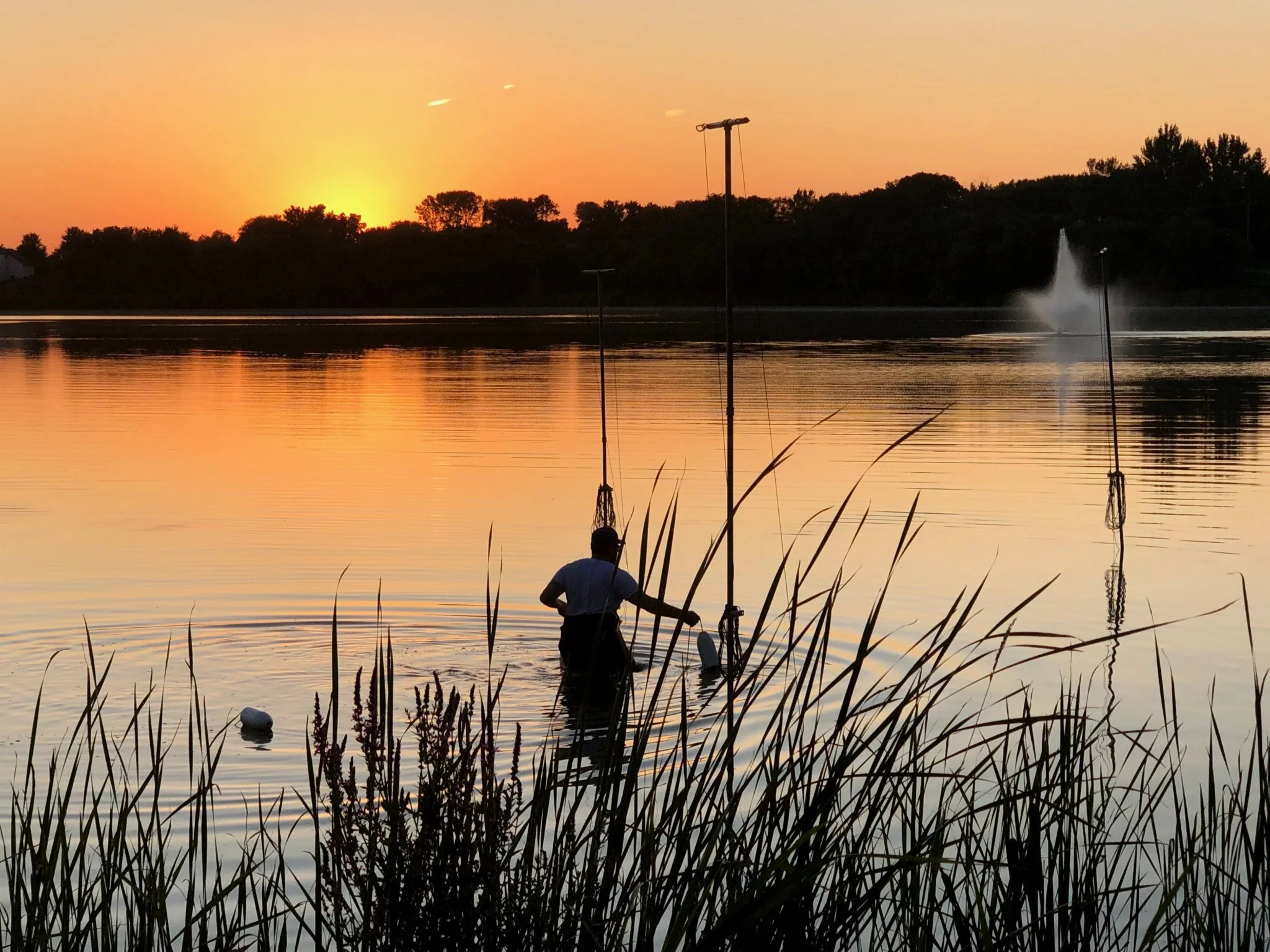
In addition to program implementation and consulting work, Andrew contributes to broader invasive species management and policy through service on the Minnesota DNR Aquatic Invasive Species Advisory Committee and the Minnesota Invasive Species Advisory Committee, and has prior watershed management experience with the Mississippi Watershed Management Organization.